 Real Knowledge.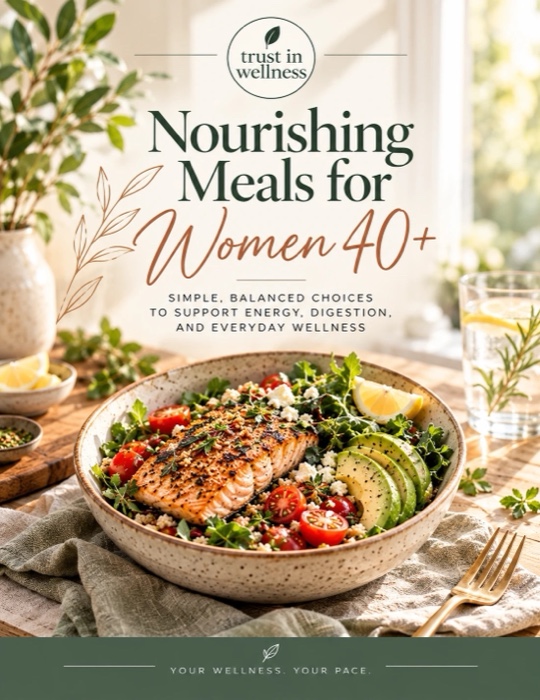
Nourishing Meals for Women 40+
Simple, balanced choices to support energy, digestion, and everyday wellness.
Learn More →Your health journey is personal. Find clear, practical information and thoughtful resources to help you understand your body, build healthy habits, and feel supported through life’s changes.
Explore Our ResourcesSimple, balanced choices to support energy, digestion, and everyday wellness.
Learn More →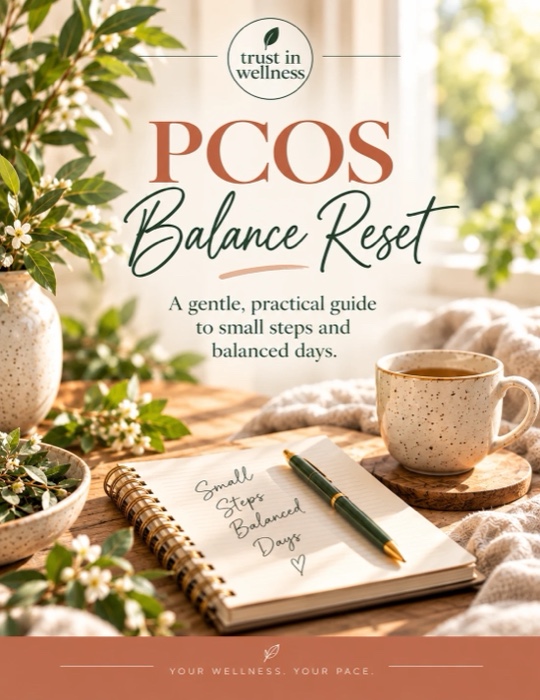
A gentle, practical guide to small steps and balanced days.
Learn More →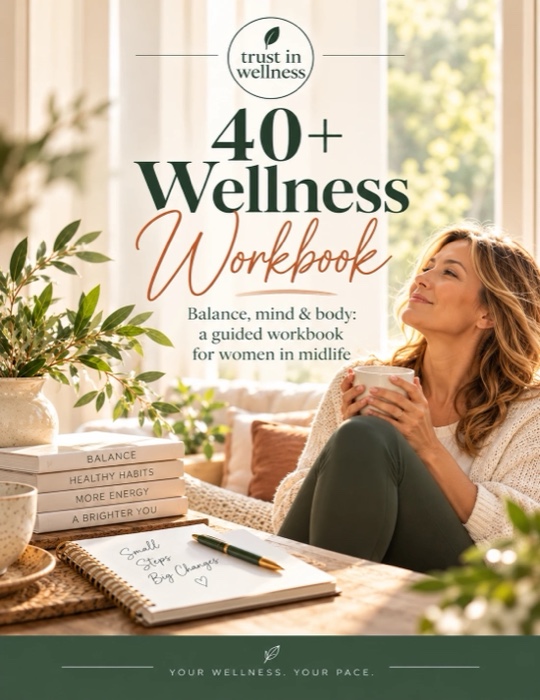
Guidance, tools and simple steps for balance in mind and body.
Learn More →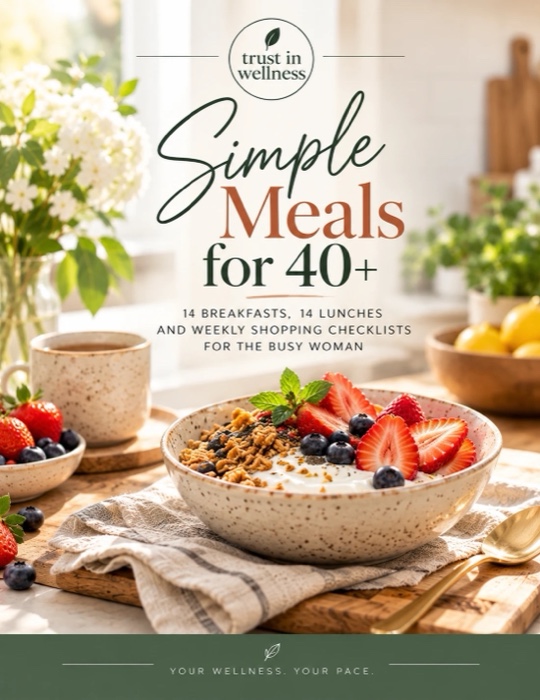
14 breakfasts, 14 lunches and weekly shopping checklists. Free.
Get It Free →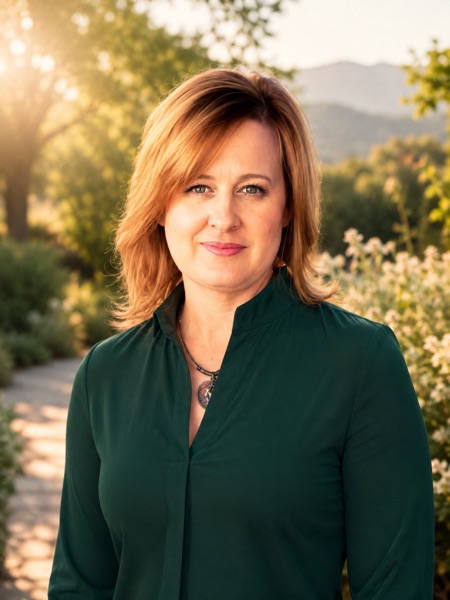
My interest in wellness began long before I ever thought about creating a website.
Growing up in a 1940s house in South Dallas, I remember watching my mother scrape and bleach mold from walls that seemed to sweat with moisture. She was doing everything she knew to keep our family healthy. Looking back, I realize how much we simply didn’t know.
That experience stayed with me and eventually led me to ask more questions about our homes, our food, and the everyday choices we make. I created Trust in Wellness to share what I’m learning in a way that’s practical, approachable, and easy to understand. I believe your voice deserves to be part of every health decision.
A healthier, happier you is possible.
Wellness can feel complicated, but finding helpful information shouldn’t be. Explore thoughtful resources and practical guidance designed to support you along the way.
Explore Our ResourcesGet practical wellness tips, thoughtful resources, and occasional updates delivered to your inbox. Plus your free Simple Meals for 40+ guide.
By signing up, you agree to receive emails from Trust in Wellness. You can unsubscribe at any time using the link in every email. We never share your email. Privacy policy.
Check your inbox for a welcome email.